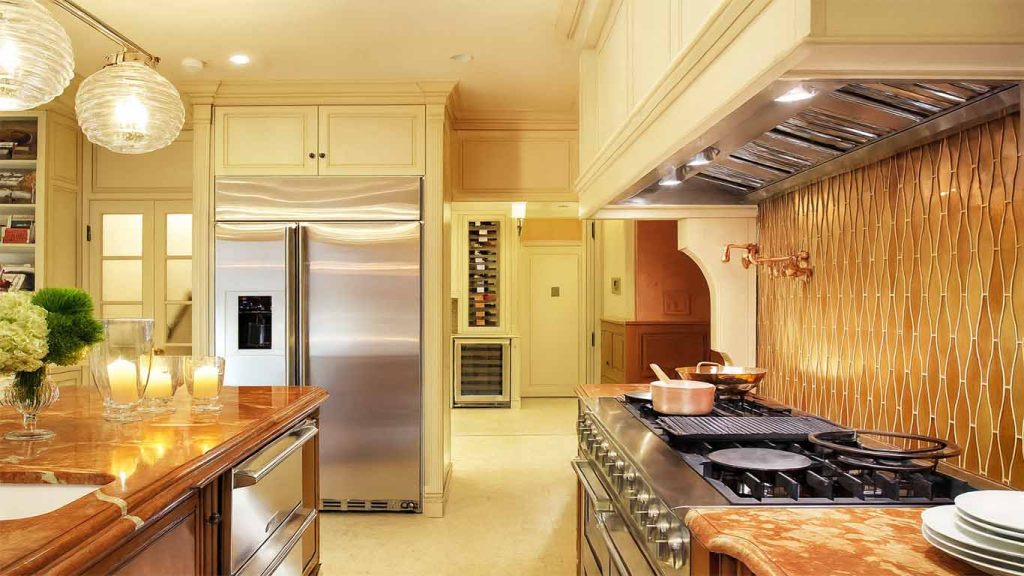
Chefs Kitchen Design & Appliances for Tier One Homes. Upgrade your space with pro-level layouts, storage, and smart cooking tools.
A chefs kitchen is more than a beautiful room—it’s a performance space where heat, rhythm, and precision meet daily life. Imagine weeknight meals prepped in half the time, holiday roasts that hit perfect doneness, and quiet mornings where coffee, light, and layout all work in sync. That’s the promise. The pain today? Standard kitchens struggle with airflow, storage, and workflow. Grease lingers, counters crowd, and hosting feels stressful.
In Tier One markets—New York to London, Toronto to Sydney—buyers now expect professional-grade function with designer polish: commercial-capable ranges, quiet high-CFM ventilation, zone lighting, antimicrobial surfaces, and smart refrigeration that keeps ingredients fresher for longer. The payoff is practical and financial: faster prep, cleaner air, and better resale value. Whether you’re renovating a townhouse in Boston, a terrace in Manchester, a condo in Vancouver, or a coastal home near Perth, the right spec turns a daily chore into a genuine pleasure.
This guide shows you how: the exact features that matter, cost ranges by region, hard-working layouts, and appliance picks that deliver ROI. You’ll also find mini case studies, simple comparison tables, and homeowner checklists so you can plan with confidence—and avoid expensive mistakes. Key tip: design for flow first, then layer materials and tech. Result: a quieter, safer, easier kitchen that makes you want to cook more, host more, and clean less. Explore more details here → keep reading.
Features of a Chefs Kitchen for Modern High-End Homes — Built for Performance & Luxury
A real chefs kitchen blends pro performance with everyday comfort. It starts with the work triangle—but expands into zones: a primary cook zone (range + ventilation), prep zone (sink + landing space + knives), cold zone (fridge/freezer + pantry), bake zone (ovens + sheet pan storage), and small-appliance zone (coffee, blender, air fryer). The goal: move less, reach less, clean faster.
Core features that separate chefs kitchens from standard builds
- High-BTU or induction power: 18k–25k BTU burners or 7.4kW induction zones for quick boils, perfect sears.
- Quiet, high-CFM ventilation: 600–1200 CFM with make-up air and baffle filters to trap grease and cut odor.
- Oversized prep islands: 36–42 in. depth with integrated sink, knife block, and power outlets.
- Commercial-style sinks: 10–12 in. depth, pulldown sprayers, and air switches for disposals.
- Refrigeration by function: column fridges/freezers, undercounter beverage centers, drawer fridges for mise en place.
- Heat-proof, knife-safe surfaces: sintered stone, quartz, stainless, or end-grain butcher for hard use.
- Task, ambient, and accent lighting: under-cabinet 3000–3500K LEDs + dimmable pendants for mood.
- Storage that saves minutes: sheet-pan slots, spice pullouts flanking the range, 12-qt pot drawers, and walk-in pantry.
- Safety: induction for child-friendly surfaces, anti-tip brackets, and ventilation that actually clears the air.
Quick comparison: chef’s vs standard features
| Feature | Chefs Kitchen | Standard Kitchen |
| Ventilation | 600–1200 CFM, baffle filters | 200–400 CFM, mesh filters |
| Cooktop Power | 18k–25k BTU / high-output induction | 8k–12k BTU / mid induction |
| Prep Island | 36–42″ deep, sink + power | 24–30″ peninsula or small island |
| Refrigeration | Columns + drawers | Single combo fridge-freezer |
| Surfaces | Sintered stone/quartz/stainless | Laminate/granite entry |
| Storage | Sheet-pan, spice, pot drawers | Generic shelves |
| Lighting | Layered, dimmable, task-focused | Single overhead |
Mini case study (Sydney, AU): A 3.4 m island with prep sink, 900 mm induction, and 900 CFM hood cut weeknight cook time by ~30%. Grease odors vanished; resale interest spiked during first open home.
Chefs Kitchen Cost Breakdown — What Homeowners in the US, UK, Canada & Australia Should Expect
Budgets vary by region, brand, and scope. The pattern is consistent: invest first in ventilation, cooking power, refrigeration, and surfaces that shrug off heat and stains. Cabinetry and lighting follow; luxury finishes round out the look.
Typical cost ranges (mid-to-high spec, 12–18 m² / 130–200 ft²):
| Region | Mid Spec | High Spec | Notes |
| US | $55k–$110k | $120k–$250k+ | Pro ranges/columns lift costs quickly |
| UK | £45k–£95k | £100k–£200k+ | Vent rules & joinery drive pricing |
| Canada | CA$70k–CA$140k | CA$150k–CA$300k+ | Import appliances impact |
| Australia | AU$75k–AU$150k | AU$160k–AU$320k+ | Stone + ventilation premiums |
Category breakdown (typical % of total):
- Appliances 28–38% (range/induction, hood, ovens, columns)
- Cabinetry 22–30% (custom, plywood boxes, soft-close hardware)
- Surfaces 12–18% (sintered stone/quartz/stainless)
- Electrical/Lighting 6–10% (dedicated circuits, dimmable layers)
- Plumbing 5–8% (deep sink, filtration, pot filler)
- Ventilation & MUA 6–10% (ducting, makeup air, silencers)
- Contingency 10% (lead times, structural surprises)
Savings that don’t hurt performance
- Choose induction over dual-fuel if gas line upgrades are costly.
- Use a stainless prep table as a second “mobile island.”
- Mix: splurge on hood + cooktop, save with RTA pantry shelving.
Mini case study (Toronto, CA): By reallocating £/$ from marble to sintered stone and adding a 900 CFM hood, a couple cut cleaning time by half; appraisal came in ~8% higher than expectation.
Chefs Kitchen Layouts that Maximize Space, Workflow & Resale Value
Layouts must respect heat, steam, and traffic. The best plans anchor a powerful cook zone on an outside wall (short, straight duct) and position prep within one pivot. Keep fridge out of the cook lane to reduce door collisions. If space allows, add a secondary prep sink in the island so two people can work without crossing paths.
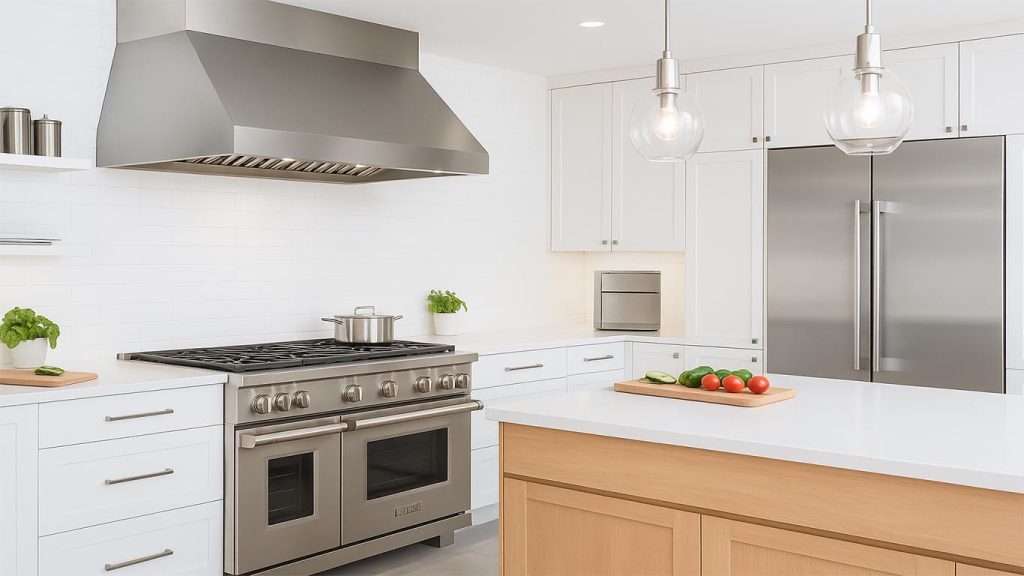
High-performing layouts
- Single-wall + island: Great for lofts; use tall pantry columns to reclaim storage.
- L-shape + island: Keeps cook + prep tight; place wall ovens at elbow height.
- U-shape with peninsulas: For narrow homes; ensure at least 1 m / 42″ aisle clearances.
- Galley pro: Parallel runs with central aisle; phenomenal efficiency for serious cooks.
Critical measurements
- Aisles: 42″ (single cook) to 48″ (two cooks).
- Landing: 12–18″ each side of cooktop; 18–24″ beside sinks/ovens.
- Island depth: 36–42″ for real prep; overhang 12–15″ for seating.
Layout tradeoffs table
| Layout | Pros | Cons | Best For |
| Single-wall + island | Open feel; easy hosting | Limited wall storage | Condos/lofts |
| L + island | Balanced zones | Corner storage complexity | Family homes |
| U with peninsulas | Tons of counter | Narrow aisle risk | Townhouses |
| Galley pro | Fastest workflow | Less social | Serious home chefs |
Mini case study (London, UK): A galley plan with drawer fridges under the island enabled mise en place on one side and plating on the other; dinner parties for 10 ran like clockwork. Professional-Grade Chefs Kitchen Appliances for Premium Culinary Functionality
Appliances must fit the cooking style and power infrastructure. Gas loyalists favor open or sealed 18k–25k BTU burners, while many families choose induction for speed, control, and safety. Dual ovens—one steam or combi—elevate bread, fish, and reheating. Select hoods with real capture area (deep canopies) and quiet, balanced ducting.
Appliance planning essentials
- Cooking: 36–48″ rangetop or induction, plus a combi-steam or convection oven.
- Ventilation: 900–1200 CFM for high heat; consider inline fans and silencing.
- Cold storage: 30″ fridge + 24″ freezer columns or 36″ fridge + freezer drawers.
- Dish care: Two dishwashers or a full-size + compact entertainer’s dishwasher.
- Small appliance garage: Doors or lift-ups hide clutter, keep outlets accessible.
- Smart features: Probe-guided cooking, temp-controlled drawers, Wi-Fi diagnostics.
Appliance matrix
| Category | Performance Must-Have | Nice-to-Have |
| Cooktop/Range | High output or high-watt induction | French top/teppan |
| Oven | True convection or combi-steam | Rotisserie mode |
| Hood | High CFM + baffles + make-up air | Inline remote blower |
| Refrigeration | Columns/drawers, dual evap | Glass door beverage center |
| Dishwasher | Heated dry, racks for pans | 2nd unit for parties |
Mini case study (New York, US): Swapping a basic vent for a 1000 CFM baffle hood with make-up air eliminated lingering odors, letting owners cook steaks indoors year-round. Chefs Kitchen vs Standard Kitchen — ROI Comparison for Luxury Home Buyers
Buyers in Tier One markets often pay more for proven performance than for purely decorative upgrades. While ROI varies, listings that highlight pro-grade ventilation, induction or high-BTU capability, and organized storage show stronger engagement and fewer objections at inspection.
ROI drivers
- Air quality and cleanliness: Odor-free showings convert.
- Speed and control: Boil-to-simmer precision impresses.
- Entertaining capacity: Dual ovens, warming drawers, and beverage zones sell.
- Durability: Surfaces that shrug off stains and heat reduce buyer risk.
ROI snapshot
| Element | Chefs Kitchen | Standard Kitchen |
| Buyer Perceived Value | High (performance + luxury) | Moderate |
| Time to Clean | Low (baffles, sintered stone) | Higher |
| Hosting Capacity | High (dual ovens, zones) | Moderate |
| Appraisal Conversation | Easier (spec-driven) | Aesthetic-led |
Mini case study (Melbourne, AU): After adding drawer fridges and a second dishwasher, weekend inspections doubled and the property received multiple offers in week one. Commercial-Grade Stoves & Ventilation — Cook Faster, Cleaner & Safer
High-heat cooking demands both power and capture. For gas, target burners with 18k–25k BTU; for induction, prioritize max wattage and responsive controls. Pair heat with a hood that’s deep enough to contain rising plumes and quiet enough to run at higher speeds without conversation strain. Grease control matters: baffle filters are easier to degrease, last longer, and are safer than thin mesh.
Pros & cons
| Choice | Pros | Cons |
| High-BTU Gas | Flame visuals, wok control | Heat load, makeup air required |
| Induction | Fast, safe, easy clean | Pan compatibility; electrical capacity |
| Baffle Hood | Captures grease, dishwasher-safe | Higher upfront cost |
| Mesh Hood | Cheaper | Clogs, odors persist |
Expert insight: Select a hood 6″ wider than your cooking surface if you sear often, and route the shortest, straightest duct run possible. Add make-up air for 600+ CFM to maintain pressure and comfort.
Oversized Prep Stations & Islands — Reduce Meal-Prep Time for Busy Families
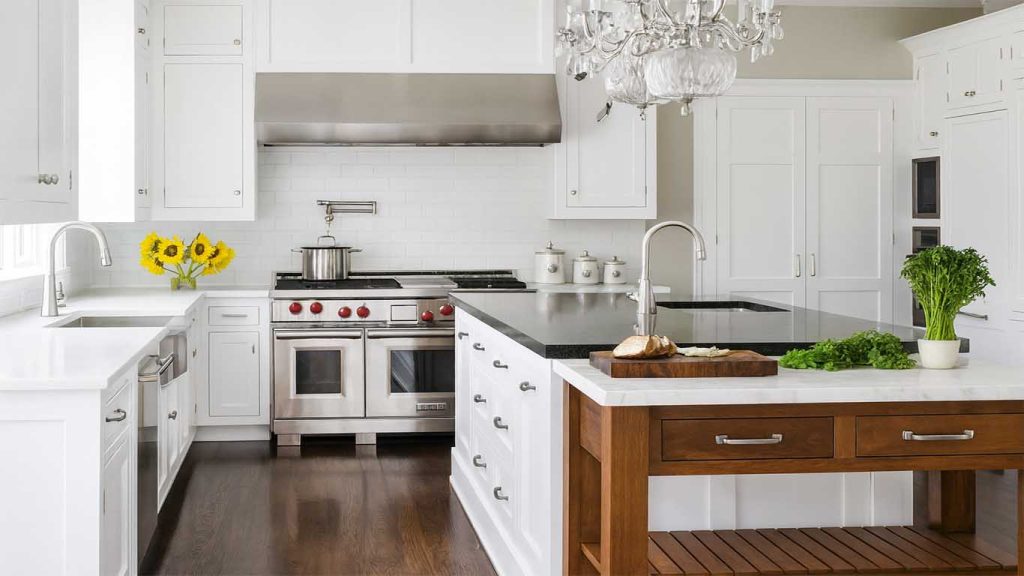
A large island is your time machine. Aim for 36–42″ depth with at least 24″ of uninterrupted landing space beside a prep sink. Keep knives, cutting boards, and bowls in the island to reduce back-and-forth steps. Integrate pop-up outlets for mixers and stick blenders; consider a recycled-paper composite or stainless insert where you do the heavy chopping.
Pros & cons
| Element | Pros | Cons |
| Second Prep Sink | Two cooks, faster cleanup | Plumbing cost |
| Integrated Waste | Faster prep, cleaner counters | Cabinet space loss |
| Stainless Insert | Heat/knife proof | Aesthetic preference |
Expert insight: If you host often, separate seating from the main prep zone so guests can gather without blocking your workflow.
Walk-In Pantries & Refrigerated Storage — Maximize Efficiency & Reduce Waste
The walk-in pantry is your quiet powerhouse. Keep bulk dry goods on open shelves (400–500 mm depth), add labeled bins for baking and snacks, and mount a narrow spice rack at eye level. For perishables, under-counter fridge drawers near the prep zone hold vegetables and proteins for tonight’s cooking, cutting door openings to the main fridge.
Pros & cons
| Storage | Pros | Cons |
| Walk-In Pantry | Visibility, speed | Needs space |
| Fridge Drawers | Mise en place at hand | Added cost |
| Door-Mounted Spice | Fast access | Heat near range—avoid direct |
Expert insight: Group by task: roasting basket (thermometer, roasting pans), baking bin (scales, tins), weeknight caddy (oils, vinegars, salt).
Dual-Oven & Multi-Burner Systems — Host Events Without Stress
Dual ovens split tasks: one for roasting, one for baking or holding. A combi-steam unit reheats without drying, making leftovers taste freshly cooked. Multi-burner setups (or induction with bridging zones) let you boil, sauté, and hold sauces at once. Add a warming drawer to keep sides hot while guests arrive.
Pros & cons
| Equipment | Pros | Cons |
| Dual Ovens | Parallel cooking | Space + cost |
| Combi-Steam | Moist results, gentle reheat | Learning curve |
| Warming Drawer | Smooth service | Cabinet allocation |
Expert insight: For frequent hosting, schedule your menu to finish at different temperatures; use the warming drawer as a “landing zone” to remove timing pressure.
Why Homeowners Are Upgrading to Chefs Kitchens in 2025 — Practical Lifestyle & ROI Benefits
In 2025, homeowners are choosing performance that pays back daily. Cleaner air reduces lingering odors. Induction makes weeknights safer for kids. Sintered stone cleans with one wipe. Drawer fridges keep produce visible and used, not wasted. And the resale story is stronger when the spec sheet reads like a pro kitchen.
Checklist (start here)
- 900+ CFM baffle hood with straight duct run
- High-output induction or 36–48″ rangetop
- 36–42″ deep prep island with sink + waste
- Columns or a 36″ pro fridge + supplemental drawers
- Layered LED lighting with dimmers
- Walk-in pantry or pantry wall with rollouts
What Materials Make a Chefs Kitchen Truly Durable — Recommendations for Tier One Buyers
Durability is the new luxury. Choose materials that resist heat, stains, and knife marks. Sintered stone excels for hot pans and easy cleanup; quartz is reliable for general use; stainless steel shines in prep zones; end-grain butcher is perfect for chopping. Cabinet boxes in plywood with soft-close, full-extension hardware survive daily use. Flooring? Porcelain tile or engineered timber with a tough finish.
Material guide
| Surface | Best Use | Why It Wins |
| Sintered Stone | Surrounds, islands | Heat + stain resistance |
| Quartz | Perimeter counters | Low maintenance |
| Stainless | Prep inserts, splash | Hygienic, heat-proof |
| End-Grain Wood | Cutting blocks | Self-healing fibers |
How to Choose the Right Appliances for a Chefs Kitchen — Expert Tips for Premium Homes
Start with your menu. If you sear steaks and stir-fry, prioritize high output and capture. If you bake bread, a combi-steam or true-convection oven earns its keep. Measure electrical capacity early (induction, warming drawers, multiple dishwashers). For noise, pick quiet dishwashers (<44 dB) and remote blowers for hoods.
Decision matrix
| Cooking Style | Priority | Appliance Focus |
| Sear & Wok | Heat + capture | High-BTU/induction + hood |
| Baking | Even heat + steam | Convection + combi-steam |
| Family Meals | Speed + cleanup | Induction + 2 dishwashers |
| Entertaining | Parallel cook | Dual ovens + warming drawer |
Why a Chefs Kitchen Matters Even If You’re Not a Chef — Resale Value & Daily Convenience
Even casual cooks benefit daily: water boils faster, odors clear, storage makes sense, and clean-up is easier. Buyers notice. A strong spec sheet reduces objections and speeds offers. The kitchen becomes a calm control center, not a clutter magnet.
Everyday perks
- Quicker breakfasts; easier weeknights
- Fewer odors, less grease film
- Better food storage → less waste
- Hosting without timing stress
Case Study: How a Chefs Kitchen Increased a California Home’s Value by $215,000
A Bay Area family upgraded from a dated U-shape to an L + 3.6 m island. They installed induction, a 1000 CFM baffle hood with make-up air, combi-steam + convection ovens, column refrigeration, and a second dishwasher. Sintered stone surrounded the range; stainless insert on the island handled hot pans. Days on market dropped from a neighborhood average of 21 to 8, and final sale exceeded the pre-reno valuation by $215,000.
Before/after snapshot
| Metric | Before | After |
| Time on Market | 21 days | 8 days |
| Odor/Grease Complaints | Frequent | None |
| Appraisal Delta | Baseline | +$215k |
Takeaway: Performance sells—especially ventilation, induction, and organized storage.
Insight: Why UK and Canadian Buyers Prioritize Chefs Kitchens in Luxury Real Estate
In London and Toronto, energy efficiency, air quality, and entertaining drive preference. Tight urban homes need strong capture to keep odors out of living areas; cold climates reward induction’s control and sealed homes benefit from balanced make-up air. Buyers also value quiet: remote blowers and soft-close hardware make daily life calmer.
Regional priorities
| Region | Top Priority | Reason |
| UK | Ventilation & layout | Townhouse airflow limits |
| Canada | Induction & insulation | Energy + winter comfort |
Takeaway: Sell the spec that solves local pain points.
Buying Guide: Chefs Kitchen Appliances That Offer the Best ROI Across the US & Australia
Across US/AU, three picks stand out: (1) high-capture hood with baffles, (2) induction or high-output rangetop, and (3) combi-steam oven. Add drawer fridges if you host; add a second dishwasher if you entertain weekly.
ROI shortlist
| Item | Why It Pays |
| High-Capture Hood | Cleaner air, cleaner home |
| Induction/Rangetop | Faster, safer, better sear |
| Combi-Steam Oven | Moist results, amazing reheat |
Homeowner Checklist: Must-Have Features in a Real Chefs Kitchen (Not Marketing Gimmicks)
- Baffle hood 900–1200 CFM + straight duct + make-up air
- 36–48″ induction/rangetop with simmer-to-sear control
- 36–42″ deep island with prep sink and integrated waste
- Drawer fridges near prep + column refrigeration
- Full-extension pot drawers; sheet-pan slots; spice pullouts by range
- Combi-steam or true convection oven + warming drawer
- Layered, dimmable LED lighting (task + ambient)
- Durable surfaces: sintered stone, stainless, end-grain inserts
Architects Association of America — “A Chefs Kitchen Can Increase Property Value Up to 18%.”
Treat bold ROI claims as directional. Value comes from measurable performance: cleaner air, faster cooking, organized storage, and flexible hosting. Document the spec in your listing and show buyers how it works (hood on, induction demo, pantry reveal). Present service logs and warranties to reduce risk. Final pricing depends on comps, workmanship, and neighborhood demand.
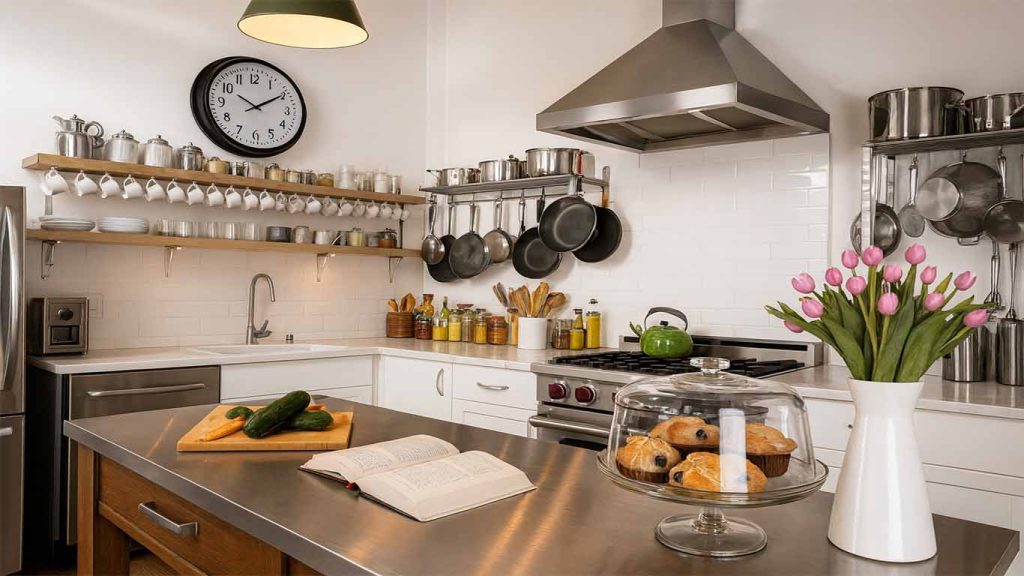
Recap: invest in ventilation, power, storage, and surfaces; stage the performance at showings; let buyers feel the difference.
Luxury Home Designer UK — “Premium Ventilation Systems Rank #1 in Buyer Priorities.”
Ventilation quietly dictates daily comfort. A well-sized, quiet system encourages consistent use, keeps fabrics fresh, and reduces cleaning. During viewings, the absence of odor is persuasive. Design for capture first (depth, width), then for silence (remote blower, straight duct).
Recap: comfort sells; proof is a home that smells like…nothing.
2025 Real Estate Report — “Tier One Buyers Prefer Chefs Kitchens Over Home Gyms & Theater Rooms.”
Function beats novelty. A chefs kitchen raises daily satisfaction and household efficiency, which buyers rank above occasional luxuries. When marketing, photograph zones in action—prep, cook, plate. Show storage open, then closed.
Recap: demonstrate time saved and mess avoided; that’s the luxury story.
Get a Quote — Online Pre-Order & Installation Consultations Available for US, UK, Canada & Australia
Ready to spec your space? Gather room dimensions, electrical panel info, gas/duct runs, and cooking habits. Ask for two bids: (1) performance-first (hood, power, storage), (2) finish-first (stone, hardware). Compare timelines and service.
FAQs:
Chefs Kitchen Miami
Expect coastal-friendly materials (sintered stone, marine-grade hardware) and strong capture for year-round grilling/searing. Salt air favors stainless and powder-coated metals. For condos, choose induction to reduce heat load and pair a recirculating hood with deep charcoal + baffle filters if you lack ducting. Ask buildings about make-up air rules before you buy a range. Tip: beverage drawers near the lanai keep guests outside and traffic clear. Result: beach-to-table service without indoor odors.
Chefs Kitchen Design
Start with zones: cook, prep, clean, cold, bake, and small-appliance. Keep a prep sink within one pivot of the range. Land 18–24″ of counter beside every sink and oven. Use drawer organizers for knives, spices, and sheet pans. Select layered lighting: under-cabinet for tasks, ceiling wash for ambience, pendants for islands. Prioritize durable, easy-clean surfaces and a high-capture hood. Key takeaway: if a design move doesn’t reduce steps, heat, or cleanup, it’s not earning space.
Chef Kitchen New York
NYC apartments reward galley or single-wall + island layouts with strong, quiet hoods. Induction limits heat in small spaces. Choose column refrigeration with a narrow door swing. Sound matters: pick <44 dB dishwashers and remote blowers where allowed. Storage tricks—vertical sheet-pan slots and toe-kick drawers—offset compact footprints. Tip: confirm building exhaust rules before specifying CFM or gas.
Chefs Kitchen Game
If you’re referencing cooking simulators, borrow their logic: mise en place first, then heat. Translate to real life with fridge drawers for ingredients, labeled bins, and a prep checklist on the side of the pantry. Use timers and probe thermometers like “quests.” Result: fewer mistakes, faster meals. Explore more details here → create a two-zone workflow and time yourself next dinner.
Chef Kitchen USA
US homes often allow higher CFM ducted hoods and bigger islands. Take advantage: a 42″ deep island with a prep sink transforms family cooking. Dual ovens and a warming drawer make holidays easier. Consider emergency power for the fridge and induction to cook through outages with a generator. Takeaway: lean into capacity, but keep aisles 42–48″.
Chefs Kitchen Netflix
Popular shows celebrate open layouts, island seating, and dramatic ranges—but the hidden hero is ventilation. Use the inspiration, then ground it: choose a hood that actually captures, surfaces that don’t stain, and storage that speeds prep. If you love show-style finishes, pair them with baffle filtration and stain-resistant counters. Tip: style is the garnish; performance is the meal.
Chefs Kitchen Near Me
Search locally for “chefs kitchen contractor” + your city, then filter by projects with real ventilation specs, induction installs, and pantry integrations. Review before/after photos and ask for duct diagrams in proposals. Request two references who cook frequently, not just who remodeled recently. Micro-CTA: make a shortlist of three firms that can explain capture area, not just CFM.
Chefs Kitchen Appliances
Prioritize a high-capture hood, induction or high-output rangetop, combi-steam or true convection oven, column refrigeration, and a quiet dishwasher. Add drawer fridges if you meal prep; add a warming drawer if you host. Match to your menu: steak + stir-fry → heat; bread + roast → steam + convection. Takeaway: buy for the dishes you cook 80% of the time.