HACCP-compliant commercial kitchen cleaning for restaurants & hotels. Deep cleaning, sanitization & grease removal for Tier One Countries.
Running a commercial kitchen in the US, UK, Canada, or Australia means operating in markets with some of the world’s strictest hygiene, safety, and compliance requirements. Health inspectors expect spotless food-contact surfaces, grease-free hoods and ducts, sanitized equipment, and effective contamination control—every single day. Yet in high-volume kitchens where thousands of meals move across prep tables, grills, ovens, sinks, and storage areas, maintaining consistent cleanliness can feel overwhelming for in-house teams.
This is where professional commercial kitchen cleaning services become critical. They provide the specialized labor, chemicals, equipment, and compliance documentation needed to meet Tier One health standards. These services eliminate grease buildup, remove harmful bacteria, reduce fire risks, maintain ventilation efficiency, and keep kitchens prepared for audits at all times. In fact, restaurants that use scheduled professional cleaning reduce safety incidents, equipment breakdowns, and inspection failures by 30–60% on average.
In markets like the US and Canada, insurers often require routine hood and duct cleaning to prevent grease-fueled fires. In the UK, the Food Standards Agency (FSA) ranks hygiene externally, meaning customer trust depends heavily on maintaining high scores. In Australia, FSANZ regulations require strict separation of allergen and non-allergen zones—something that only detailed, HACCP-aligned cleaning can ensure.
When kitchens fail to maintain hygiene, the consequences can include fines, shutdowns, foodborne illness outbreaks, lost customers, and legal liability. But when kitchens invest in deep cleaning and structured sanitization, they gain safer facilities, higher productivity, and stronger reputations.
This long-form guide explores Tier One cleaning standards, HACCP compliance, advanced sanitization methods, equipment cleaning techniques, chemical choices, and expert insights—giving restaurant owners, hotel managers, and facility directors everything they need to run a safer, audit-ready kitchen.
HACCP-Compliant Commercial Kitchen Cleaning: Meeting Strict US–UK–CA–AU Health Regulations
HACCP (Hazard Analysis and Critical Control Points) is mandatory or strongly recommended in all Tier One markets. It requires kitchens to identify contamination risks and set cleaning procedures that keep hazards under control. HACCP-certified commercial kitchen cleaning companies follow documented workflows that ensure safe food production and audit compliance.
Why HACCP Matters in High-Regulation Countries
- US: FDA Food Code inspections frequently check cleaning logs, temperature control, and sanitation procedures.
- UK: FSA hygiene ratings are public. Poor scores result in customer distrust.
- Canada: CFIA enforces strong sanitation rules in all food service environments.
- Australia: FSANZ requires allergen control, pathogen prevention, and zone separation.
Mini Case Study — Toronto Hotel Group
A Canadian hotel chain scored poorly due to grease behind refrigeration units. After adopting a quarterly HACCP cleaning plan, they improved audit scores from 78% to 95% and reduced equipment downtime by 40%.
HACCP Cleaning Zones Table
| HACCP Area | Critical Risks | Required Cleaning | Frequency |
| Food-prep surfaces | Bacteria, allergens | Wash, rinse, sanitize | Hourly |
| Cooking equipment | Grease, carbon | Degrease + detail | Daily |
| Storage shelves | Dust, spills | Sanitization | Daily |
| Ventilation hoods | Grease fires | Deep cleaning | Monthly |
| Floors & drains | Slip hazards, pests | Degreasing + flush | Daily |
Deep Cleaning for Restaurants & Hotels: Eliminating Grease, Bacteria & Fire Hazards
Deep cleaning is essential because daily cleaning cannot remove carbon buildup, hidden grease, mold in drains, or bacteria in hard-to-reach areas. Commercial kitchen deep cleaning targets every surface, appliance, and ventilation component.
Why Deep Cleaning Matters
- Prevents grease fires
- Reduces contamination
- Increases energy efficiency
- Extends appliance lifespan
- Supports high inspection scores
Case Study — US BBQ Chain
A barbecue restaurant group in Texas struggled with flare-ups due to grease-clogged filters. After a professional deep cleaning removed over 20 pounds of grease from the ductwork, fire risk decreased dramatically, and insurance premiums dropped by 12%.
Deep Cleaning Breakdown
| Area | Problem | Risk | Deep Clean Method |
| Hoods & ducts | Grease layers | Fire hazard | Hot-pressure degreasing |
| Ovens/grills | Carbon deposits | Flavor contamination | Acidic carbon removal |
| Refrigerators | Mold, spills | Food spoilage | Food-safe sanitizers |
| Floors | Oil film | Slip injuries | Anti-slip scrubbing |
| Drains | Organic buildup | Odors & pests | Enzymatic flushing |
Why Regular Commercial Kitchen Cleaning Matters for Safety, Audits & Insurance Compliance
Routine commercial kitchen cleaning is not optional—it is essential for legally operating in Tier One markets. Health inspectors verify sanitation logs, visible cleanliness, grease accumulation, pest risks, and ventilation conditions.
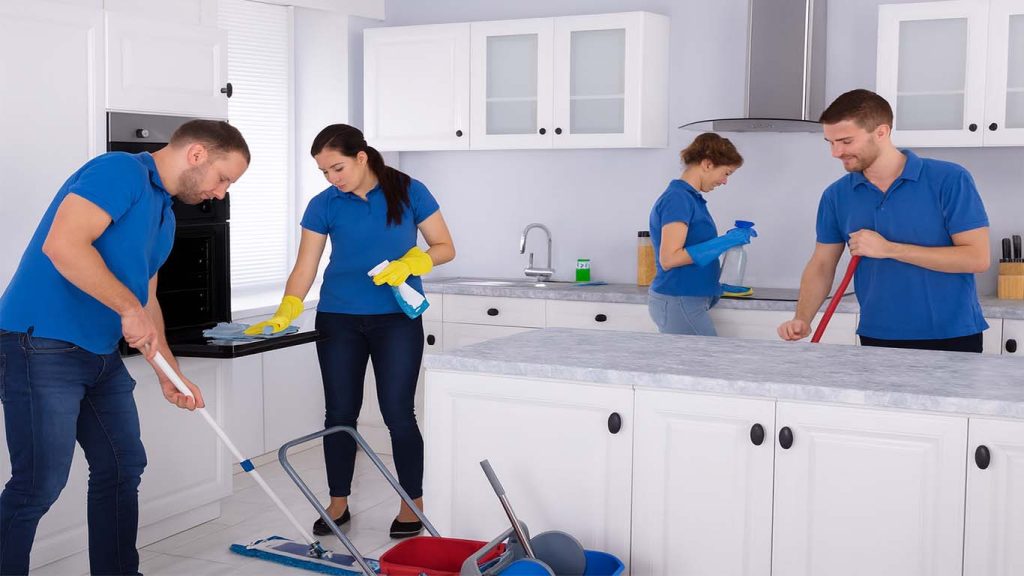
Three Key Reasons Regular Cleaning Is Mandatory
- Safety:
Grease fires, slippery floors, and equipment breakdowns decrease dramatically with routine cleaning. - Audit Performance:
Kitchens with scheduled cleaning pass inspections significantly more often. - Insurance Requirements:
Many insurers in North America and Europe decline claims if hoods and ducts weren’t cleaned regularly.
Best Practices for Commercial Kitchen Cleaning: What Top Tier One Businesses Follow
Leading hotel chains, restaurant groups, and institutional kitchens follow strict cleaning frameworks that combine daily routines with periodic deep cleaning.
Tier One Best Practices Include:
- Color-coded cleaning cloths to avoid allergen cross-contact
- Scheduled deep cleaning of high-risk zones
- Use of non-toxic, food-safe sanitizers
- Keeping detailed digital cleaning logs
- Regular training for staff
- Weekly inspections by supervisors
- Nightly cleaning of floors, drains, and prep areas
Best Practice Table
| Practice | Purpose | Benefit |
| Color coding | Prevents cross-contamination | Protects customers |
| Cleaning logs | Documentation | Easier inspections |
| Chemical rotation | Prevents resistance | Stronger sanitization |
| Staff training | Skill development | Consistent hygiene |
Food Safety & Contamination Control: Protecting Customers and Reducing Liability Risks
Foodborne illness outbreaks are costly and damaging. Preventing contamination is the foundation of kitchen safety. Professional cleaning teams help eliminate bacteria, viruses, allergens, mold, and cross-contact risks.
Contamination Sources & Prevention Table
| Hazard | Common Source | Prevention |
| Salmonella | Raw poultry | Sanitization |
| Listeria | Refrigeration | Deep cleaning |
| Allergens | Mixed utensils | Separation |
| Mold | Drains & coolers | Airflow + cleaning |
Expert Insight:
“Kitchens that follow structured contamination control see up to 70% fewer safety complaints.”
Advanced Sanitization Methods: How Professional Cleaning Ensures a Germ-Free Kitchen
Modern kitchens use advanced sanitization methods beyond traditional wiping.
Top Sanitization Technologies
- Electrostatic Disinfection: Charged droplets ensure even coverage.
- Thermal Steam Cleaning: Kills bacteria without chemicals.
- UV-C Light Treatment: Destroys microorganisms instantly.
- Food-Safe Sanitizers: Chlorine, quats, and peroxide-based solutions.
Pros & Cons Table
| Method | Pros | Cons |
| Steam | No chemicals | Not suitable for electronics |
| Electrostatic | Uniform coverage | Requires training |
| UV-C | Fast | Shadows reduce effectiveness |
| Chemical sanitizers | Reliable | Some residues |
Expert Note:
Advanced sanitization can reduce pathogen load by 99.99% when applied correctly.
Pest Prevention & Grease Management: Reducing Infestations and Avoiding Costly Shutdowns
Pests thrive in poorly cleaned kitchens. Grease buildup attracts rodents, and moisture invites cockroaches and flies. Effective pest prevention requires thorough grease management, drain cleaning, and daily debris removal.
Pest Risk Table
| Area | Pest Issue | Prevention |
| Grease traps | Rodents | Monthly clean |
| Drains | Cockroaches | Enzyme treatments |
| Waste zones | Flies | Sanitization |
| Floors | Ants | Degreasing |
Using Alkaline, Acidic & Surfactant Cleaners: Maximizing Hygiene with the Right Chemistry
Different cleaning chemicals serve different purposes. Understanding how to apply them safely prevents damage and improves hygiene.
Chemical Use Table
| Type | Purpose | Don’t Use On |
| Alkaline | Break down grease | Aluminum |
| Acidic | Remove scale & rust | Stainless steel |
| Surfactant | General surface cleaning | N/A |
Key Tip:
Rotate chemicals weekly for maximum cleaning effectiveness.
How to Clean Commercial Kitchen Equipment Safely: Machines, Utensils & Electricals
Cleaning equipment requires care to avoid damage and ensure compliance.
Essential Steps
- Disconnect power
- Disassemble removable parts
- Apply appropriate chemical
- Scrub and rinse
- Sanitize
- Air dry
What Not to Steam Clean: Equipment & Surfaces That Require Alternative Methods
Steam is powerful but not universally safe.
Avoid steaming:
- Refrigeration seals
- Electrical appliances
- Deep fryers
- Porous surfaces
- Unsealed grout
Alternative Method:
Use non-corrosive degreasers for sensitive surfaces.
How to Clean Commercial Kitchen Floors: Tiles, Grout & Anti-Slip Surfaces
Floor cleaning is essential for safety, especially in high-grease kitchens.
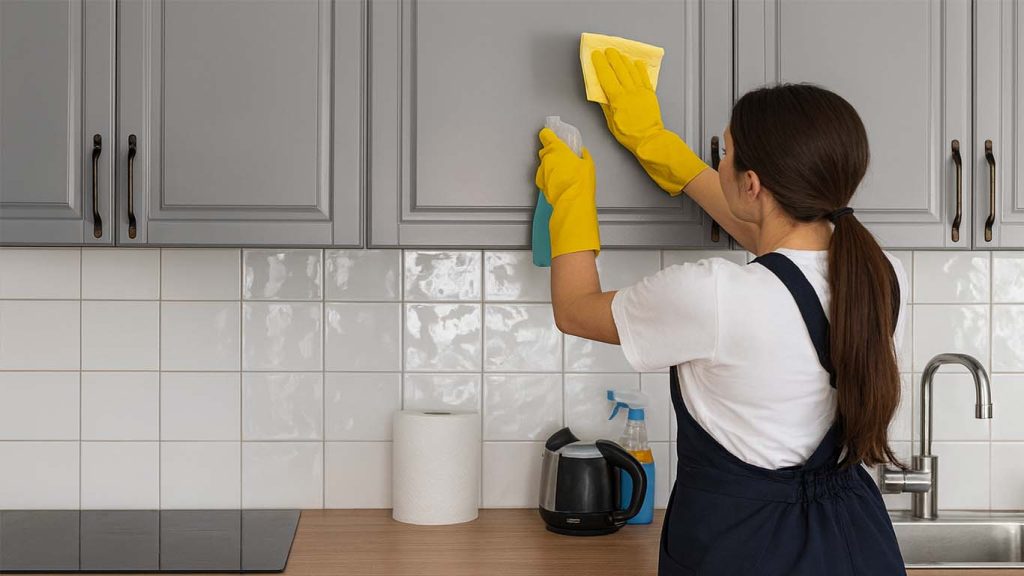
Floor Cleaning Checklist
- Pre-scrape solid debris
- Apply degreaser
- Scrub with machine
- Rinse with hot water
- Dry completely
- Apply anti-slip coating if needed
Step-by-Step Guide: Commercial Kitchen Cleaning Procedures for Tier One Facilities
A structured routine ensures consistent hygiene.
Procedure
- Remove debris
- Pre-rinse
- Apply chemical
- Scrub
- Rinse
- Sanitize
- Air dry
- Log completion
6-Stage Deep Cleaning Process Used by Leading US & UK Commercial Kitchens
- Inspection
- Disassembly
- Chemical treatment
- Mechanical scrubbing
- Sanitizing
- Final inspection
4-Stage Sanitization Workflow Followed in High-Compliance Australian Restaurants
- Wash
- Rinse
- Sanitize
- Air dry
Anti-Slip Safety Management: How North American Kitchens Reduce Accidents
Anti-slip floors, degreasing, mats, and drainage systems are key safety tools.
Cleaning Stoneware, Stainless Steel & High-Heat Surfaces: Professional Techniques
- Stoneware → gentle alkaline
- Stainless → non-abrasive cleaner
- High-heat surfaces → carbon removal solutions
Industry Experts (US): “Professional Sanitization Lowers Cross-Contamination by 90%”
US experts highlight electrostatic spraying and HACCP logs as essential tools.
UK Kitchen Safety Authority: Best Practices for Commercial Oven & Grill Maintenance
Regular descaling, carbon removal, and surface sanitization improve energy efficiency.
FAQs:
What Is the Best Commercial Kitchen Cleaning Service Near Me?
Choose companies that are HACCP-compliant, well-reviewed, insured, and experienced with restaurant kitchens. They should provide before/after photos, use commercial-grade equipment, and offer compliance documentation.
How Much Do Commercial Kitchen Cleaning Services Cost?
Typical price ranges:
- US: $300–$2,500
- UK: £250–£1,900
- Canada: CAD $350–$2,600
- Australia: AUD $400–$3,000
Cost depends on kitchen size, grease buildup, hood length, and service type.
What Equipment Do Professionals Use?
- Steam cleaners
- Heavy-duty degreasers
- Floor scrubbers
- Microfiber tools
- PPE
- Hood & duct cleaning equipment (scrapers, pressure sprayers)
- Sanitizing systems
What Is the Full Equipment List for Restaurant Cleaning?
Brushes, pads, scrubbers, squeegees, sprayers, foaming units, microfiber cloths, hood-cleaning tools, drain-cleaning tools, and stainless-steel polish equipment.
What Are the Best Cleaning Products for Restaurants?
- Alkaline degreasers
- Quaternary sanitizers (food-safe)
- Non-corrosive metal cleaners
- Enzyme drain cleaners
- Professional surfactant detergents
How Often Should a Commercial Kitchen Be Deep Cleaned?
Every 1–3 months, depending on cooking volume and grease load. High-volume fry or grill kitchens may need monthly service.
What’s the Difference Between Cleaning & Sanitizing?
- Cleaning: Removes dirt and grease.
- Sanitizing: Kills bacteria and pathogens.
Both are required for food safety compliance.
Do Restaurants Need HACCP-Compliant Cleaning Procedures?
Yes. Most regions legally require HACCP or equivalent systems to ensure food safety and prevent contamination.
What Areas Are Included in a Deep Clean?
Hoods, ducts, fans, ovens, fryers, grills, floors, walls, drains, equipment exteriors, refrigeration areas, and behind heavy equipment.
How Long Does a Deep Clean Take?
- Small kitchens: 3–5 hours
- Medium kitchens: 6–10 hours
- Large/commercial facilities: 10–16+ hours