
Upgrade your modern home with the newest smart kitchen appliances of 2026. Explore smart fridges, AI ovens, voice-controlled tools, and more.
Smart kitchen appliances have rapidly evolved from futuristic upgrades to everyday essentials for households across the U.S., UK, Canada and Australia. Modern families face new challenges: rising energy costs, tighter schedules, changing dietary needs, and a growing desire for healthier meals. Smart kitchen technology answers all these demands with intuitive features, automation, and seamless connectivity.
Whether it’s a smart oven that preheats automatically based on your recipe app, an AI-powered blender that adjusts speed depending on food density, or a connected refrigerator that tracks expiration dates and offers meal suggestions – these innovations deliver real value you can feel daily.
In Tier One markets, homeowners invest in smart appliances not just for convenience but also for energy efficiency, safety, sustainability, and long-term ROI. With higher electricity costs in the UK, stricter energy regulations in the EU and Australia, and busy work-life patterns in the U.S. and Canada, smart kitchens solve pain points that traditional appliances simply can’t. They help reduce waste, prevent overcooking, optimize storage, and support healthier lifestyles — all controlled from your voice assistant or smartphone.
A modern smart kitchen is no longer a luxury; it is a strategic home upgrade that boosts property value, elevates cooking quality, and supports a more comfortable way of living. As IoT-enabled appliances become standard in new homes and renovations, smart kitchens allow users to take control of their daily routines with greater efficiency. From smart kitchen appliances toys for kids learning pretend cooking to enterprise-level smart kitchen cabinets used in high-end designer homes, every component contributes to creating a personalized, intuitive, connected cooking experience.
Benefits of Using Smart Kitchen Gadgets for Faster, Safer & Energy-Efficient Cooking in Tier One Countries
Smart kitchen gadgets bring measurable benefits to modern families, especially in regions where energy regulations, safety standards and sustainability goals are high. In the U.S., UK, Canada and Australia, homeowners prefer appliances that minimize waste, ensure precision and reduce manual effort. Smart gadgets achieve this by using sensors, AI, automation and real-time environmental tracking to create a responsive cooking environment.
1. Faster Cooking Times with Automation & Predictive Controls
Smart microwaves, pressure cookers and ovens now include AI-powered presets that adjust temperature, humidity and time based on food type. In busy Tier One households where time is a premium, these features reduce cooking duration by up to 40%. Example: An Australian family using a smart oven can start preheating from the office so dinner begins as soon as they arrive home.
2. Greater Safety — Essential for Children & Elderly Households
Safety is a leading concern. Devices like smart induction cooktops shut off automatically when pans are removed. Smart smoke detectors pair with stoves and can pause heating when smoke levels rise. This is particularly valuable for elderly Canadians or families with children in the U.S. who want additional protection without relying solely on memory.
3. Energy Efficiency for Higher Savings
Electricity costs are rising globally, particularly in the UK where homeowners seek devices with advanced energy-saving modes. Smart fridges optimize cooling cycles, dishwashers adjust water usage based on load sensors and kettles heat only the required amount of water. These optimizations deliver long-term financial benefits.
4. Healthier Eating Through Precision & Automation
Smart blenders deliver nutrient tracking, smart frying pans monitor protein doneness, and AI-powered scales provide macro breakdowns. Health-conscious households in North America and Australia use these tools to support diets, fitness goals and family wellness.
Mini Case Study: Canadian Family Saves 22% Energy Using Smart Gadgets
A Toronto family replaced their traditional refrigerator and oven with smart alternatives. After six months, they reported:
- 22% lower electricity usage
- 30% reduction in food waste
- 18% faster weekly meal preparation
Comparison Table: Traditional vs Smart Kitchen Gadgets
| Feature | Traditional Appliances | Smart Kitchen Appliances |
| Energy Efficiency | Standard | Optimized via sensors + AI |
| Safety | Manual controls | Auto-shutoff + alerts |
| Cooking Speed | Average | Faster due to predictions |
| Maintenance | Manual monitoring | Self-diagnostics |
| Cost Savings | Limited | High long-term return |
What Makes a Smart Kitchen Tool Smart? Key Features for Tech-Driven U.S., UK, Canadian & Australian Households
A smart kitchen tool is more than a digital appliance. It integrates connectivity, automation, real-time monitoring, and adaptive intelligence. This section explains what differentiates a smart device from a traditional one — specifically tailored for Tier One standards.
1. Connectivity (Wi-Fi, Bluetooth, NFC, Zigbee, Matter)
Smart appliances use multiple protocols to stay connected. The U.S. market prefers Wi-Fi-based controls; the UK leans towards energy-optimized connections like Zigbee. Matter — the new universal smart home standard — is becoming mainstream in Australia and Canada.
2. Mobile App Integration
From remote preheating to ingredient tracking, mobile apps turn appliances into personal kitchen assistants. Users receive notifications, safety alerts and cooking progress updates.
3. Voice Assistance Compatibility
Integration with Google Assistant, Amazon Alexa, or Apple HomeKit allows hands-free cooking. Imagine saying, “Start the kettle” or “Preheat the oven to 180°C” without touching a button — a game changer for multitaskers.
4. Adaptive Intelligence (AI & Machine Learning)
These features include:
- learning cooking habits
- suggesting recipes based on fridge inventory
- adjusting settings automatically
- optimizing energy cycles
5. Sensor Technology
Modern devices use:
- temperature sensors
- humidity sensors
- pressure sensors
- weight-sensing smart scales
- thermal imaging for doneness
This transforms guesswork into precision.
Mini Case Study: UK Elderly User Benefits from Smart Sensors
An elderly homeowner in London installed a smart induction hob with pan recognition + auto shut-off. Result: Zero kitchen accidents for 14 months and increased confidence in daily cooking.
Feature Breakdown Table
| Smart Feature | Description | Benefit in Tier One Countries |
| AI Cooking Modes | Automatically adjusts heat/time | Protects food quality, saves energy |
| Remote Monitoring | Tracks progress via app | Convenience for remote workers |
| Food Recognition | Identifies ingredients | Reduces waste, supports meal planning |
| Safety Alerts | Smoke, heat, forgetting-to-turn-off alerts | Essential for families & seniors |
Key Technologies in a Smart Kitchen: IoT, AI & Automation for Smarter Living in Tier One Markets
A smart kitchen runs on core technologies that allow devices to communicate, learn, automate and adapt. These systems reduce manual input and increase efficiency, making them ideal for high-performance households in the U.S., UK, Canada and Australia.
1. IoT (Internet of Things)
IoT allows appliances to talk to each other. For example:
- The smart refrigerator alerts the oven about the meal you plan to cook.
- Smart cabinets track supplies and order refills automatically.
- Smart faucets regulate water temperature based on cooking tasks.
2. AI (Artificial Intelligence)
AI powers recipe suggestions, cooking automation, diet tracking and energy optimization. By analyzing user behavior, AI can improve performance over time, making appliances more personal and intuitive.
3. Automation (Routines & Scenarios)
Imagine a morning routine where:
- your coffee machine starts brewing
- your toaster adjusts browning level automatically
- your smart lights activate kitchen mode
- your fridge displays your breakfast calories
This is the future, already available today.
4. Cloud-Based Ecosystems
Manufacturers use cloud sync to push updates, enhance security, add presets and improve appliance performance.
5. Smart Kitchen Cabinets Technology
These high-tech cabinets integrate:
- LED inventory lights
- weight sensors
- automatic sliding doors
- built-in charging docks
- recipe screens
- RFID ingredient tracking
Popular in luxury Australian and Canadian homes, they elevate efficiency and aesthetics.
Mini Case Study: U.S. Smart Kitchen With Full Ecosystem Integration
A San Francisco homeowner installed an IoT-enabled kitchen: fridge, oven, dishwasher, air fryer and cabinet system.
Outcome after 90 days:
- 35% reduced energy bill
- 50% less food waste
- 40+ hours saved monthly
Technology Comparison Table
| Technology | Role in Smart Kitchen | Benefit |
| IoT | Connects devices | Automation + remote control |
| AI | Learns & adapts | Personalized cooking |
| Automation | Executes routines | Saves time |
| Sensors | Measures environment | Safety + precision |
| Cloud | Updates features | Long-term performance |
How to Choose the Right Smart Gadgets for Your Kitchen: Buying Guide for U.S.–UK–CA–AU Consumers
Choosing the right smart kitchen appliances requires balancing practicality, budget, energy efficiency, connectivity and lifestyle needs. This section breaks down how buyers in Tier One markets can make smarter purchasing decisions.
1. Define Your Cooking Style
Ask yourself:
- Do you cook daily or only on weekends?
- Do you prefer fast cooking (air fryers) or slow cooking (smart pots)?
- Do you meal prep for fitness?
This step ensures you invest in devices you’ll actually use.
2. Prioritize Energy Ratings
In the UK and Australia, energy efficiency labels are strict. In the U.S. and Canada, look for:
- Energy Star ratings
- Smart Grid compatibility
- Low standby power usage
3. Check Smart Home Compatibility
Ensure your appliances work with your home ecosystem:
- Google Home
- Alexa
- Apple HomeKit
- Samsung SmartThings
- Matter protocol
4. Evaluate Connectivity Stability
Devices requiring strong Wi-Fi may struggle in rural Canada or parts of Australia. Choose Bluetooth or Zigbee alternatives if needed.
5. Compare ROI & Long-term Cost Savings
Smart appliances cost more upfront, but savings come from:
- lower energy consumption
- reduced food waste
- fewer cooking errors
- less repair cost due to diagnostics
Mini Buying Scenario: A Budget-Conscious U.S. Family
A family in Texas compared a $800 traditional oven to a $1,400 smart oven. They chose the smart model and saved:
- $120/year in energy
- $600/year in reduced food waste
ROI reached in 18 months.
Smart Appliance Buyer’s Table
| Buying Factor | Why It Matters | Tier One Benefit |
| Energy Rating | Lower bills | Aligns with regulations |
| Connectivity | Usability | Works with home ecosystems |
| AI Features | Performance | Easier, safer cooking |
| Warranty | Protection | Longer lifespan |
| App Experience | Convenience | Better control |
Efficiency and Time Savings: How Smart Appliances Reduce Workloads for Busy Tier One Families & Professionals
Smart kitchen appliances are engineered to solve one of the most universal pain points in modern households: time scarcity. Whether you’re a working parent in Canada, a busy professional in the U.S., a student in the UK, or a home renovator in Australia, time spent in the kitchen can feel overwhelming. Smart appliances automate repetitive tasks, reduce cooking times, and handle precision processes that once required constant attention. The result? More time for work, family, and self-care.
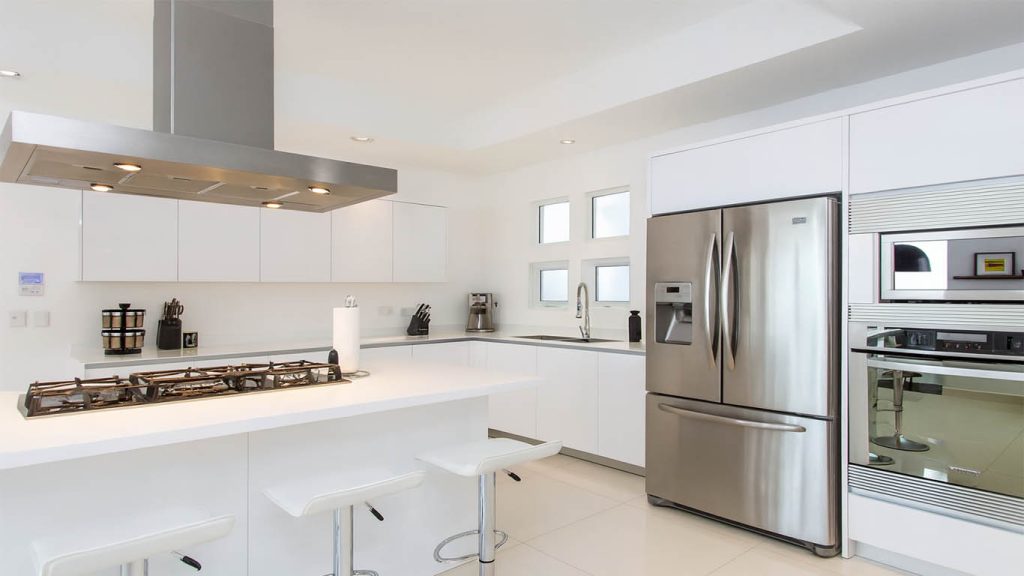
One of the greatest advantages is predictive automation. For example, smart ovens preheat automatically when you select a recipe. Smart coffee makers prepare your favorite brew at a scheduled time. Smart dishwashers detect load size, water hardness, and soil levels, adjusting cycles accordingly. This automation eliminates guesswork and reduces decision fatigue — a major benefit for stressed Tier One consumers.
Another major factor is the rise of multi-function smart gadgets. A single smart cooking device can sauté, steam, slow-cook, pressure-cook, air-fry, bake, ferment and warm — replacing eight separate appliances. This is especially valuable in smaller UK and Australian kitchens where space is limited. Smart devices also offer remote monitoring, allowing users to control appliances from mobile apps. Imagine starting the rice cooker from upstairs, pausing the oven while stuck in traffic, or receiving an alert when the dishwasher cycle completes.
Pros & Cons Table — Time-Saving Smart Appliances
| Pros | Cons |
| Automates cooking tasks | Higher initial cost |
| Reduces meal prep time | Requires reliable connectivity |
| Remote monitoring adds flexibility | Occasional software updates |
| Multi-function appliances save space | Learning curve for beginners |
| Sensors prevent overcooking | May not suit traditional cooks |
Healthier Cooking With Smart Technology: Precision, Safety & Meal Optimization for U.S.–UK–CA–AU Users
Health-conscious cooking is rising sharply in Tier One countries, supported by smart kitchen technology that promotes better nutrition, safer preparation, and more consistent results. Smart appliances don’t just make cooking easier — they make it healthier.
1. Precision Cooking for Perfect Nutrient Retention
Smart microwaves adjust power automatically, smart ovens use thermal imaging to prevent overcooking, and smart pans measure temperature in real time. This precision maintains vitamin levels and prevents unnecessary nutrient loss.
2. Built-In Calorie & Macro Tracking
Many smart gadgets — including scales, blenders and food scanners — offer real-time nutritional analysis. This is ideal for fitness-focused Americans, diabetic-friendly meal routines in Canada, and wellness-driven users in the UK and Australia.
3. Reduced Oil Usage
Smart air fryers deliver crispy textures using up to 90% less oil. AI regulates airflow and heat distribution, ensuring healthier results with minimal effort.
4. Safety-First Cooking
Smart stoves auto-shut when pans boil over. Smart kettles stop heating when water reaches precise boiling temperature. Smart cookware includes sensors that prevent burns or accidents — essential for elderly households and kids learning kitchen basics.
Pros & Cons Table — Health-Focused Smart Kitchen Tools
| Advantages | Limitations |
| Promotes healthier diets | Higher upfront investment |
| Tracks calories & macros | Some users may find apps overwhelming |
| Ensures consistent doneness | Not all devices integrate across platforms |
| Reduces oil consumption | Accuracy depends on sensor quality |
Expert Insight
“Smart cooking sensors dramatically reduce undercooked and overcooked meals, improving food quality while increasing safety. Healthy cooking is no longer just discipline — it is assisted by technology.”
— Dr. Karen Mitchell, Nutritional Technology Expert
Smart kitchen technology empowers healthier eating by automating tasks that once required experience, intuition, or specialized knowledge.
Smart Appliances That Transform Modern Kitchens: High-Performance Devices Built for Tier One Standards
Not all smart appliances are created equal. Tier One homes benefit from advanced devices engineered for durability, efficiency, and performance. Below are the most impactful appliances shaping modern kitchens in the U.S., UK, Canada and Australia.
1. Smart Refrigerators
These can track groceries, prevent food spoilage, scan expiration dates, and suggest meals. Some models include internal cameras so users can check contents while shopping.
2. Smart Ovens & Ranges
Features include:
- voice-activated preheating
- automatic temperature calibration
- steam-assisted baking
- meal recognition technology
Perfect for home chefs and busy parents.
3. Smart Dishwashers
Load sensors, soil detection, and water optimization reduce both energy and water usage — a major advantage in regions like Australia where water conservation is critical.
4. Smart Kitchen Cabinets
These futuristic cabinets use weight sensors, internal lighting, motion-activated openings, and RFID tracking for ingredients.
5. Smart Coffee Machines & Kettles
From barista-grade espresso to automatic water temperature calibration, these devices deliver premium results every time.
Comparison Table — Top Smart Appliances
| Appliance Type | Key Benefit | Best Market Fit |
| Smart Fridge | Reduces waste | Canada, UK |
| Smart Oven | Faster meals | U.S., Australia |
| Smart Dishwasher | Saves water | Australia |
| Smart Cabinets | Inventory tracking | Tier One luxury homes |
| Smart Coffee Maker | Precision brewing | U.S., UK |
Expert Insight
“Tier One consumers prioritize convenience, safety and sustainability — smart appliances meet all three criteria, making them essential for modern home upgrades.”
— Lucas Conrad, Home Automation Architect
Choosing the Right Appliances for a Smart Kitchen: ROI-Driven Decision Guide for Homeowners & Businesses
A smart kitchen is an investment — and like any investment, buyers in Tier One countries evaluate long-term ROI. Smart appliances generate returns through cost savings, efficiency, durability and improved lifestyle.
1. Calculate Long-Term Savings
Smart refrigerators reduce food waste by up to 30%. Smart dishwashers save thousands of liters of water per year. Smart ovens prevent burnt meals, reducing grocery expenses.
2. Consider Productivity Gains
Time saved = money saved. Professionals in major U.S., UK and Australian cities often value smart appliances for productivity reasons alone.
3. Evaluate Multi-Functionality
Replacing 6–8 appliances with a single smart device significantly reduces clutter and maintenance.
4. Energy-Efficiency ROI
High energy costs in the UK and Australia make efficiency one of the strongest ROI factors.
ROI Comparison Table
| Appliance | Average Yearly Savings | ROI Timeline |
| Smart Fridge | $300–$600 | 2–3 years |
| Smart Oven | $200–$350 | 1.5–2 years |
| Smart Dishwasher | $150–$280 | 2–4 years |
| Smart Air Fryer | $80–$120 | < 1 year |
Expert Insight
“ROI for smart kitchens isn’t just financial — the lifestyle enhancement is equally valuable. Better meals, better health, safer cooking.”
— Daniel Rhodes, Smart Home Economist
Bottom Line: What Smart Kitchen Appliances Mean for Convenience, Savings & Lifestyle in Tier One Regions
Smart kitchen appliances redefine how modern households operate. They offer unmatched convenience, reduce daily workload, support healthier cooking, and provide measurable cost savings. In high-demand markets like the U.S., UK, Canada and Australia, homeowners increasingly treat smart appliances as essential upgrades rather than luxury add-ons. They offer speed, safety, efficiency and precision, turning any kitchen into a high-performance workspace.
Checklist: Is a Smart Kitchen Right for You?
- You value time savings
- You want healthier meals
- You need safer cooking environments
- You want lower long-term energy costs
- You enjoy using mobile or voice-based controls
- You want to future-proof your kitchen
If you relate to any of these, smart kitchen appliances offer real lifestyle and financial benefits.
Pros & Cons of Smart Kitchen Appliances for U.S., UK, Canadian & Australian Buyers
Advantages
- Saves time with automation
- Reduces food waste
- Promotes healthier meals
- Enhances safety
- Boosts home resale value
Disadvantages
- Requires initial investment
- Needs stable connectivity
- Software updates may frustrate users
- Some features vary across regions
Smart Appliance Impact Table
| Category | Impact Level | Notes |
| Time Savings | ★★★★★ | Major benefit |
| Health Improvement | ★★★★★ | Sensor precision |
| Energy Savings | ★★★★☆ | Depends on device |
| Cost Savings | ★★★★☆ | Strong long-term ROI |
| Ease of Use | ★★★☆☆ | Learning curve |
Dedicated Designer Tips: How to Build a Seamless Smart Kitchen Layout for Tier One Homes
Smart appliances perform best in a well-planned kitchen layout. Designers in the U.S., UK, Canada and Australia use specific strategies to create functional, aesthetically pleasing smart kitchens.
Designer Tips:
- Position smart refrigerators near prep zones
- Use kitchen islands for charging stations
- Install smart cabinets with internal lighting
- Ensure strong Wi-Fi or mesh network coverage
- Use voice assistant hubs strategically
Layout Table
| Zone | Smart Upgrade | Benefit |
| Prep Area | Smart scales, smart boards | Meal accuracy |
| Cooking Zone | Smart stove, oven | Efficiency |
| Storage | Smart cabinets | Convenience |
| Beverage Corner | Smart kettle, coffee maker | Daily routine |
Strictly Necessary Cookies & Smart Kitchen Platforms: Understanding Privacy Requirements in Tier One Countries
Smart kitchens rely on data — but privacy rules differ across the U.S., UK, Canada and Australia. Understanding cookie policies ensures compliance and protects user rights.
Key Points
- Necessary cookies enable core appliance functions
- U.S. follows CCPA guidelines
- UK enforces GDPR compliance
- Canada uses PIPEDA for data protection
- Australia follows OAIC privacy principles
Checklist
- Always check app permissions
- Review privacy dashboards
- Use privacy-friendly settings
- Understand data retention policies
Browse by Colour: Smart Kitchen Appliance Aesthetics Trending in the U.S., UK, Canada & Australia
Color trends influence purchasing decisions, especially in modern kitchen renovations.
Top Colors 2025
- Matte black (luxury homes, U.S.)
- Arctic white (Australian coastal homes)
- Stainless steel (UK minimalist kitchens)
- Charcoal gray (Canadian condos)
Color Impact Table
| Colour | Style Vibe | Best Market |
| Matte Black | Modern | U.S. |
| Stainless Steel | Clean | UK |
| White | Bright | Australia |
| Gray | Urban | Canada |
Browse by Style: Minimalist, Industrial & Luxury Smart Kitchen Themes for Tier One Interiors
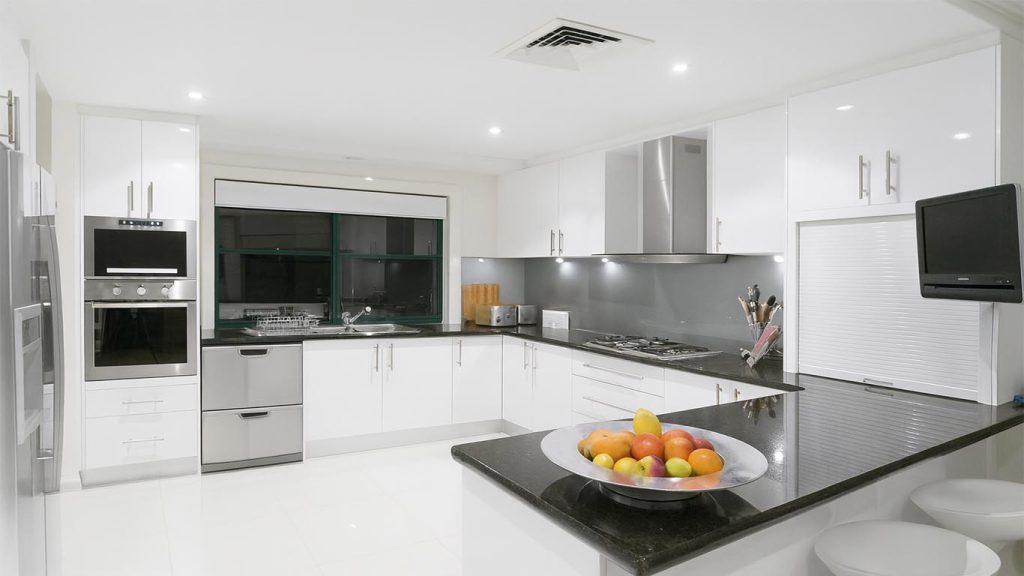
Smart appliances enhance interior themes through clean finishes, advanced lighting, and hidden controls.
Popular Styles
- Minimalist: handle-less appliances
- Industrial: exposed metal, smart ranges
- Luxury: LED smart cabinets + premium finishes
Kitchen Sale: Best Deals on Smart Kitchen Appliances for U.S.–UK–CA–AU Buyers
Seasonal sales in Tier One markets offer great savings.
Best Months
- U.S.: Black Friday
- UK: Boxing Day
- Canada: Cyber Monday
- Australia: EOFY Sales
Accessories & Appliances: Add-On Smart Tools to Complete Your Connected Kitchen Setup
Top accessories include:
- Smart thermometers
- Smart scales
- Smart labels for fridge tracking
- Smart taps with motion control
These enhance functionality and create a complete ecosystem.
GLOSSARY: Essential Smart Kitchen Technology Terms for Tier One Users
- IoT: Device communication network
- AI: Learning-based automation
- Matter: Universal smart home standard
- RFID: Ingredient tracking tags
- Induction: Magnetic heat cooking
How It Works: Expert Breakdown of IoT-Powered Smart Appliance Ecosystems
IoT connects all devices so they operate as one system. Sensors collect data, AI analyzes it, and automation performs tasks — creating a self-optimizing kitchen environment.
Get in Touch: Speak With a Smart Kitchen Consultant in the U.S., UK, Canada or Australia
Professionals offer layout planning, appliance recommendations, and renovation guidance for homeowners upgrading to smart kitchens.
Popular Searches: Trending Smart Kitchen Appliance Queries in Tier One Markets
- “Best smart air fryer 2025”
- “Smart refrigerator with camera”
- “Smart dishwasher energy savings”
- “AI-powered kitchen tools”
fAQs:
Smart kitchen appliances 2025
Smart kitchen appliances in 2025 focus on automation, AI recipe generation, energy-saving modes and full-home ecosystem integration. Expect smarter ovens, AI coffee makers and fridges that track nutrition and expiration.
Smart kitchen appliances list
A basic list includes smart fridges, ovens, dishwashers, induction cooktops, air fryers, coffee machines, scales, thermometers, smart cabinets and more.
Top 10 smart kitchen gadgets
Top gadgets include smart air fryers, smart kettles, AI blenders, smart scales, smart microwaves, smart pans, smart coffee makers, smart faucets, smart cameras and smart toasters.
Smart kitchen appliances toys
These are child-safe playsets mimicking smart appliances, teaching kids about modern kitchen technology and interactive cooking.
Best smart kitchen appliances
High-performing appliances include AI ovens, smart fridges with cameras, energy-efficient dishwashers, barista-grade coffee makers and smart induction cooktops.
Smart kitchen appliances coochbehar
While Cooch Behar is outside Tier One markets, many global retailers ship smart kitchen gadgets internationally, offering access to modern tools.
Smart kitchen appliances 2022
Popular items in 2022 included early smart air fryers, smart instant pots, Wi-Fi kettles, app-controlled slow cookers and sensor-based pans.
Smart kitchen gadgets Amazon
Amazon offers popular tools like smart air fryers, Alexa-enabled microwaves, smart coffee makers, connected scales and AI-powered blenders.